

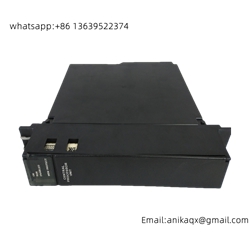

- Environmental Tolerance:
- Operating Temperature: -10°C to 55°C (extended version supports -40°C to 85°C with optional heating module).
- Vibration Resistance: 5 G rms (10–500 Hz, 3-axis).
- Humidity: 5%–95% non-condensing.
- Functional Features:
- Signal Processing: Digital filtering (10–1000 Hz cutoff frequency), cold-end compensation for thermocouples, and linearization for non-linear sensors (e.g., flow meters).
- Protection Mechanisms: Over-speed shutdown (e.g., at 3300 rpm), over-temperature power cutoff, and fail-safe output modes during power loss.
- Diagnostics: Real-time status monitoring via LED indicators, channel fault detection (open/short circuits), and error logging (last 100 events with timestamps).
Key Features
- High Precision: 12-bit analog resolution ensures accurate measurement of critical parameters like temperature, pressure, and flow.
- Robust Design: Withstands extreme temperatures, vibrations, and electrical noise, making it suitable for industrial settings such as power plants and oil refineries.
- Flexible Communication: RS485 supports Modbus RTU for seamless integration with DCS/PLC systems. Optional Ethernet modules (e.g., IS220PPDAH1B) enable Modbus TCP/IP connectivity.
- Redundancy Support: Configurable for dual-module hot standby operation, enhancing system reliability in mission-critical applications.
- Scalability: Modular architecture allows easy expansion of I/O channels without overhauling existing infrastructure.
Application Scenarios
- Power Generation: Monitors and controls gas/steam turbines in power plants, optimizing efficiency and preventing downtime through real-time data acquisition and fault diagnostics.
- Oil and Gas: Manages pipeline pressure, flow rates, and valve positions in upstream/downstream operations, ensuring safe and efficient resource extraction/transport.
- Water Treatment: Regulates chemical dosing, pump speeds, and turbidity levels in wastewater plants, with IP20 rating suitable for indoor control rooms.
- Manufacturing: Synchronizes conveyor belts, robotic arms, and quality inspection systems in automotive/packaging lines, leveraging high-speed digital inputs (100 kHz pulse frequency).
- Chemical Processing: Controls reactor temperatures, pressure vessels, and dosing pumps, with linearization algorithms converting non-linear sensor signals into actionable data.


There are no reviews yet.