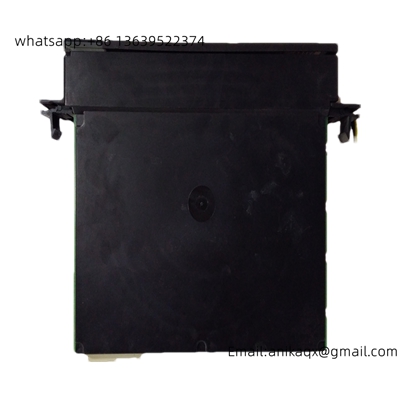
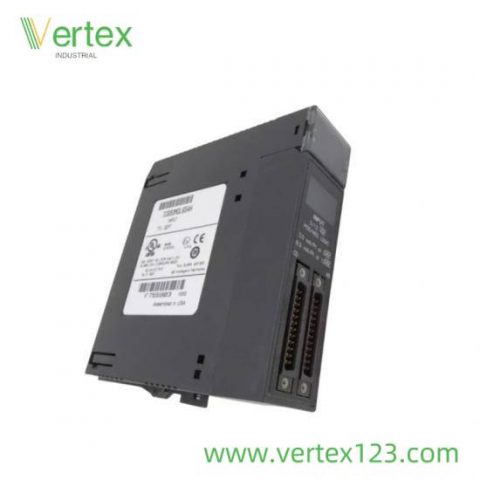
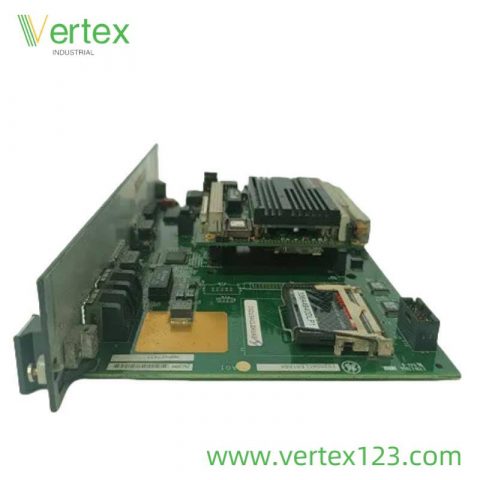
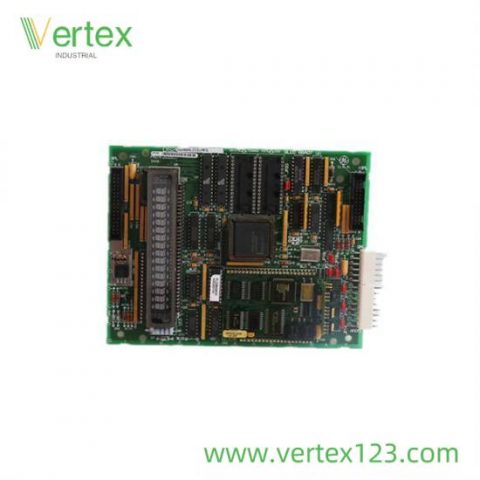
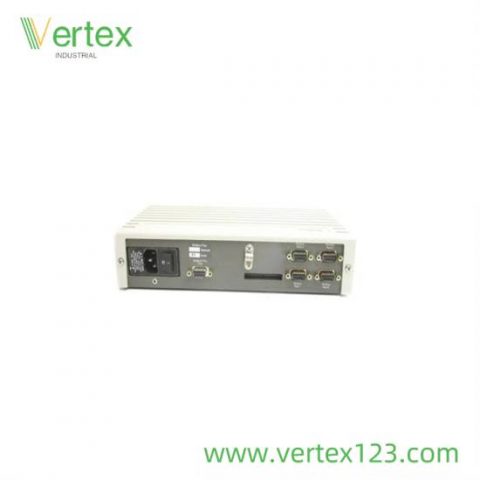
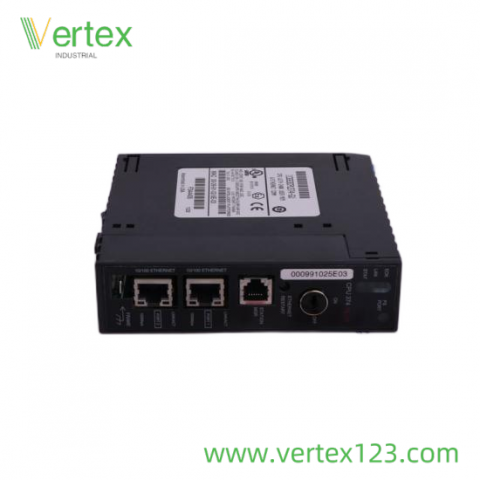
GE IC697CMM742-FD
- Operating Voltage: +5 VDC and +12 VDC (from PLC power supply)
- Current Drain: 2.0 amps (+5 VDC, typical), 0.5 amps (+12 VDC, maximum when using external AUI transceiver)
- Operating Temperature: 0 °C to +55 °C (32 °F to 131 °F)
- Interface Standards: Supports IEEE 802.2 logical link control class I and IEEE 802.3 CSMA/CD medium access control 10 Mbps
- Serial Ports: Includes RS - 232 (6 - pin RJ - 11) for station management and RS - 485 (15 - pin D - type) for software loading
- Network Ports: Features 10Base - T (RJ - 45), 10Base2 (BNC), and AUI (15 - pin D - type) ports for Ethernet connectivity
Tag:
wechatPhone +8613639522374
Phone: +8613639522374
Email: anikaqx@gmail.com
connect:Anika
- Multiple Network Ports: Equipped with three network ports, including 10Base – T (RJ – 45), 10Base2 (BNC), and AUI ports, which can establish a connection between the IC697 PLC and Ethernet LAN. The AUI port offers a choice of 10Base5, 10Base2, 10BaseT, 10BaseF, or 10Broad36 medium with a user – supplied 802.3 – compatible transceiver.
- Easy Installation and Maintenance: It has pre – loaded firmware for simple installation, and the firmware is easy to upgrade through a PC connected to the RS – 485 serial port. It also has a restart button that can be used for LED test, restart, restart and enter software load state, and restart and enter maintenance state.
- Data Exchange Capability: Supports data exchange via configuration/logic – based Ethernet Global Data (EGD), and TCP/IP communication via SRTP. It also enables full PLC programming/configuration.
- Diagnostic Function: Equipped with four LEDs, namely Module OK, LAN Online, Serial Active, and Status OK. These LEDs provide real – time status updates and diagnostic information. For example, the Module OK LED indicates whether the module passes diagnostics, the LAN Online LED shows the network connection status, the Serial Active LED indicates the data transfer status of the serial port, and the Status OK LED indicates the overall operation status.
- Industrial Automation: It is widely used in factory automation, process control, and machine control in the manufacturing industry to realize the communication and coordination between different devices and systems.
- Building Automation: Can be applied to building automation systems, such as controlling lighting, ventilation, and air – conditioning systems.
- Transportation Systems: Used in traffic signal control systems to achieve data exchange and control between different traffic devices.
Product has been added to your cart





There are no reviews yet.