

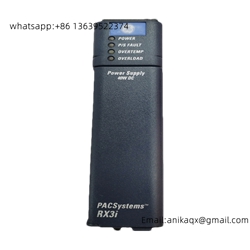

- Environmental Resistance:
- Operating temperature range: -20°C to 60°C (-4°F to 140°F).
- IP66-rated enclosure for protection against dust and water jets.
- Power Requirements:
- 24 VDC input voltage.
- Typical power consumption: 1.1 A (3.3 V) or 0.45 A (5 V).
- Certifications:
- Compliance with industrial safety standards, including potential special certifications like 4000V lightning surge protection (verify based on specific environmental needs).
Key Features
- High-Speed Communication: Enables real-time data exchange with PROFINET devices at millisecond-level latency, critical for synchronized operations.
- Robust Redundancy: Dual-fiber ring architecture minimizes downtime, making it suitable for power generation, oil and gas, and other mission-critical industries.
- Scalability: Supports up to 124 devices, allowing flexible expansion of networked I/O points without additional hardware.
- Diagnostics and Monitoring: Built-in tools for real-time status checks, error detection, and performance logging via Proficy Machine Edition software.
- Environmental Adaptability: IP66 rating and wide temperature tolerance ensure operation in harsh conditions, such as dusty factories or outdoor installations.
Functional Advantages
- Reliability: Redundant pathways and self-healing protocols reduce the risk of communication failures, enhancing system uptime.
- Ease of Integration: Pre-configured PROFINET support simplifies connection to third-party devices, reducing setup time.
- Future-Proof Design: Scalable architecture accommodates evolving automation needs without requiring module replacements.
- Cost Efficiency: Reduces the need for multiple communication modules by consolidating PROFINET device management into a single unit.
Applications
- Power Generation: Monitors and controls voltage, current, and frequency in turbines and generators, with redundancy ensuring grid stability during faults.
- Water Treatment: Regulates chlorine levels, turbidity, and pump status in wastewater plants, with IP66 protection handling humid environments.
- Oil and Gas: Tracks pipeline pressure, flow, and temperature in upstream/downstream operations, where redundant communication prevents safety risks.
- Manufacturing: Synchronizes conveyor speeds, robotic arms, and quality inspection systems in automotive and packaging lines, leveraging high-speed data exchange for precision.
- Transportation: Manages signaling systems and track switches in rail networks, with dual-fiber redundancy preventing delays during link failures.
- Chemical Processing: Controls reaction parameters (e.g., pH, dosing rates) in reactors, ensuring safety through real-time monitoring.
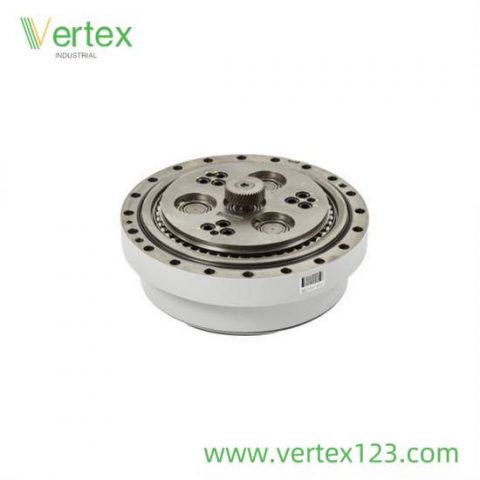
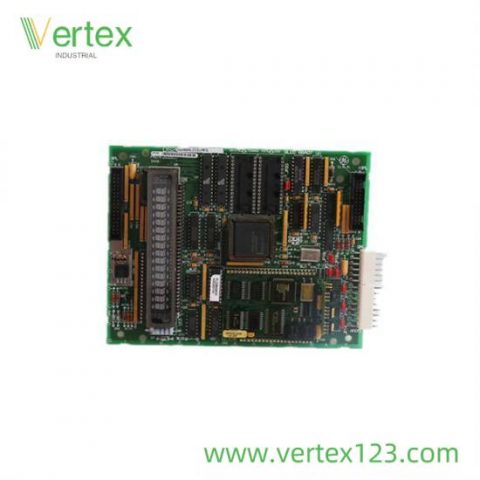
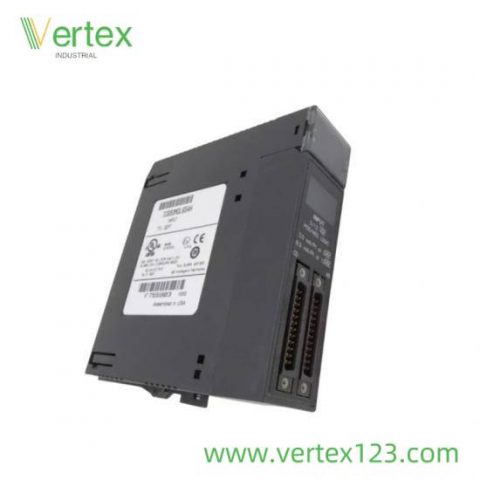



There are no reviews yet.