

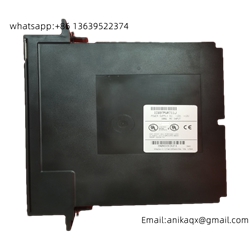

- Accuracy: ±0.1%
- Operating Voltage: 24V DC
- Operating Temperature: -20°C to 70°C
- Storage Temperature: -40°C to 85°C
- Relative Humidity: 5%–95% (non-condensing)
- Mechanical Dimensions: Approximately 120mm × 80mm × 40mm
- Weight: Approximately 0.5kg
Key Features
- High Precision: ±0.1% accuracy ensures accurate data acquisition.
- Flexible Configuration: Supports multiple input signal ranges (voltage/current) configurable via software.
- Isolation Design: Optical isolation prevents signal interference, enhancing system stability.
- Wide Temperature Range: Operates reliably from -20°C to 70°C, suitable for harsh industrial environments.
- Compact Design: Small footprint saves space in control cabinets.
- Robust Construction: Built with industrial-grade components for long-term reliability.
- Easy Maintenance: Modular design simplifies installation and troubleshooting.
Application Scenarios
- Manufacturing:
- Production Line Monitoring: Tracks equipment status and process parameters in real-time.
- Device State Detection: Monitors sensors and actuators for faults or deviations.
- Energy Sector:
- Power Grid Monitoring: Collects data from substations and generators for system analysis.
- Renewable Energy: Manages solar inverters or wind turbine controllers.
- Chemical Industry:
- Process Control: Regulates pressure, temperature, and flow rates in reactors.
- Environmental Monitoring: Detects gas leaks or hazardous emissions.
- Infrastructure:
- Water Treatment: Monitors pH levels, turbidity, and chemical dosing in wastewater plants.
- Environmental Sensing: Tracks air quality or water flow in smart cities.
Comparison with Competitors
- Siemens SIMATIC ET 200SP:
- Offers similar channel density but lacks ATEX certification for hazardous areas.
- Rockwell Automation 1734-IE8C:
- Provides 8 analog inputs but has lower resolution (10-bit) and no built-in isolation.
- Schneider Electric TM221M:
- Supports fewer channels (4) and has a narrower input voltage range (85–264V AC).
Maintenance and Troubleshooting
- Common Issues:
- No Input Signal: Verify wiring, jumper settings, and sensor connections.
- Overheating: Ensure proper ventilation and avoid blocking cooling vents.
- Intermittent Operation: Check for loose connections or corrosion on terminals.
- Recommended Practices:
- Regular Inspections: Inspect for dust accumulation, loose connections, or physical damage.
- Firmware Updates: Apply the latest firmware to improve performance and security.
- Spare Parts: Keep replacement modules on hand to minimize downtime during failures.
- Environmental Control: Maintain optimal operating conditions (temperature, humidity) to extend lifespan.


There are no reviews yet.